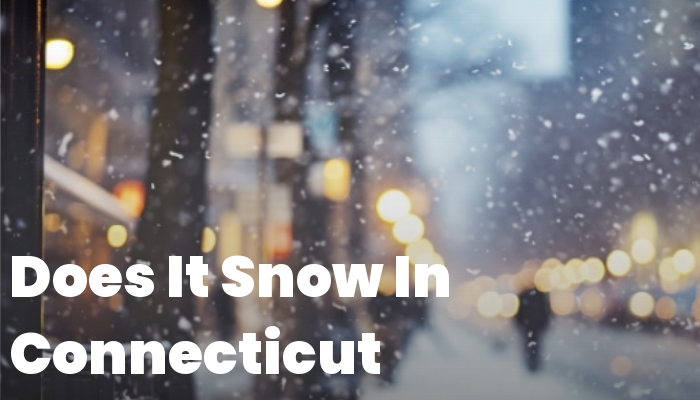
Does it snow in Connecticut? If you’re planning a winter visit or looking to relocate, this might be a crucial question on your mind.
In this comprehensive guide, we delve into Connecticut’s unique climate patterns. We’ll examine everything from seasonal averages to snowfall patterns – giving you all the information needed to prepare for the Connecticut winter.
So, before you pack your bags with heavy coats or light jackets, find out just how much the white stuff you can expect to see in one of New England’s quiet gems.
Does It Snow In Connecticut?
Yes, snow in Connecticut is a common occurrence during the winter months. The state experiences a typical northeastern United States climate, which means it receives a notable amount of snowfall annually. From light flurries to heavy storms, snow transforms Connecticut’s landscape into a picturesque winter wonderland. This snowy season can begin as early as November and extend through March or even April in some years.
Connecticut’s geographical diversity, from coastal cities to hilly regions in the northwestern parts, influences its weather patterns significantly. As such, the amount of snow can vary widely depending on where you are in the state. The northwestern highlands tend to receive more snowfall compared to the coastal areas due to their higher elevations and proximity to inland weather systems.
How Much Does It Snow In Connecticut?
Snowfall in Connecticut can range from moderate to heavy depending on the region and year. On average, coastal areas see about 20-30 inches of snow per year, while inland areas could experience upwards of 40-50 inches or more—especially within higher elevations.
To give you an idea of how variable this can be, let’s examine average seasonal snowfall totals for some key cities:
- Hartford – roughly 45 inches
- New Haven – about 30 inches
- Litchfield Hills area – up to 70 inches or more
These figures are based on historical data but remember that weather patterns are subject to change each year due to broader climatic conditions such as El Niño events or North Atlantic Oscillation fluctuations.
Additionally, because there is often a distinct separation between mild coastal climate zones and colder interior zones, residents and visitors might experience wholly different winter scenarios just miles apart from each other. Planning for travel or outdoor activities should take these variables into account.
Are There Ice Storms In Connecticut?
Connecticut does not just contend with powdery white snow; it also experiences ice storms—though less frequently than snowstorms. These occur when rain falls onto surfaces that are below freezing temperature, causing it to instantly freeze into ice—a phenomenon known as “freezing rain.” Ice storms can lead to dangerous travel conditions and power outages due where ice accumulates on trees and power lines.
While not an everyday winter event, ice storms are taken very seriously when they do arrive because they present significant challenges including:
- Treacherous driving conditions due to icy roads.
- Potential damage from falling tree limbs weighted down by ice.
- Prolonged power outages caused by downed lines.
- Injuries from slips and falls on slick surfaces.
The southern parts of Connecticut are slightly more prone than northern regions due primarily because temperatures there hover closer around the freezing mark—a prime condition for freezing rain formation.
Nevertheless, preparation is key during any inclement weather; hence authorities may issue advisories or warnings well ahead time so residents can take necessary precautions such as stocking up essentials and avoiding non-essential travel during such events.
When visiting or moving into Connecticut during winter months one must stay informed about current weather forecasts including potential for snowy icy conditions allowing them plan accordingly whether involves getting appropriate winter gear ensuring home readiness amidst wintry challenges presented by Mother Nature New England states like this one.
Does It Snow In Connecticut is a question often asked by many, especially those who plan to visit or move to the state.
Similar queries can be seen being made about other states like in the articles Does It Snow In Delaware, and even much warmer states such as Does It Snow In Florida.
Likewise, people also show curiosity about snowfall in the southern state of Does It Snow In Georgia.
Interestingly, even a tropical paradise like Hawaii isn’t exempt from such queries, as evident in Does It Snow In Hawaii. This shows that people’s fascination with weather patterns and conditions extends across various geographical locations.
Where Does It Snow In Connecticut?
Snowfall in Connecticut is widespread, but certain areas do tend to see more snow than others. The most consistent snowy weather is found in the higher elevations of the northwestern part of the state, particularly in towns within Litchfield County. Here, residents can anticipate a thicker white blanket each year.
In contrast, coastal cities like Bridgeport and New London generally receive less snow. This is due to the moderating influence of Long Island Sound, which tends to keep nearby coastal temperatures slightly warmer. However, it’s essential to know that these areas are not immune to significant snow events—major nor’easters can bring heavy snowfall even to the shorelines.
Areas around the Connecticut River Valley, including Hartford and Middletown, experience a mix of varying conditions but still get their fair share of winter precipitation. The Central Valley can act as a pathway for storm systems that may lead to substantial accumulations depending on how they track across the region.
Aside from elevation and proximity to the coast, other factors can influence where it snows in Connecticut. Urban areas tend to be slightly warmer due to heat retained by buildings and pavement (an effect known as urban heat island), potentially resulting in less accumulation compared to surrounding rural zones.
Regardless of location, preparing for winter weather is crucial throughout Connecticut since all areas have at least some potential for impactful winter storms each season.
Connecticut Roads and Winter Weather Conditions
Winter weather conditions can significantly impact Connecticut roads, making travel challenging during snowstorms or ice events. The state’s Department of Transportation (CTDOT) works diligently before and during such events using salt spreaders and plows aiming keeping thoroughfares clear safe motorists.
Nevertheless, road safety during wintertime relies heavily on personal preparation and caution. State authorities typically recommend keeping vehicle maintenance up-to-date with appropriate winter tires ensuring better traction snowy icy streets. Drivers are also advised carry emergency supplies their cars including blankets extra clothing case stranded roadside during severe weather.
Furthermore drivers should watch out black ice—a thin coating transparent glaze ice roadway surface which notoriously difficult spot hazardous due its deceptive appearance wet pavement rather than icy one.
During heavy snowfall or ice storm alerts, non-essential travel is often discouraged reduce risk accidents traffic congestion while giving cleanup crews space operate effectively efficiently.
How Cold Does It Get In Connecticut?
When picturing a traditional northeastern U.S. winter cold temperature inevitably comes mind—and Connecticut’s winters are no exception thermometer readings dip significantly those colder months year December through February seeing coldest period statewide averages ranging low 20s high 30s Fahrenheit (-6°C 3°C).
However momentary dips single digits even sub-zero Fahrenheit temperatures not unheard especially interior regions away moderating effects coastline These extreme cold spells typically brief but serve reminder importance proper attire heating sources home car functioning well prevent freezing related issues such pipes bursting hypothermia exposure outdoor elements.
Warming centers often available communities around state publicized local governments offer refuge those need during especially frigid times winter season.
Although average temperatures give idea what expect always good idea pay attention short-term forecasts sudden changes could bring unexpected cold snaps or warmups altering preparedness plans Residents visitors should remain vigilant keeping date current conditions taking necessary steps ensure comfort safety when mercury falls.
In conclusion understanding seasonal patterns typical amounts locations prone heavy snowfalls icy conditions, plus being aware how low mercury goes will better equip anyone facing Connecticut’s beautiful yet sometimes challenging winters Whether looking forward outdoor sports cozying up beside fire knowledge power comes enjoying everything this New England state has offer colder months year
Connecticut, known for its picturesque landscapes and New England charm, experiences a variety of weather patterns across its cities. Snowfall is one such phenomenon that’s common during the winter months. In coastal cities like Bridgeport, Connecticut, snow can transform the urban landscape into a winter wonderland. Despite its proximity to the coast, Bridgeport still sees a significant amount of snow each year.
Moving up along the coast, we encounter Stamford, another Connecticut city where residents and visitors alike experience the magic of seasonal snowfall. Stamford’s downtown and suburban areas alike are draped in white during peak winter months.
As we venture inland, Hartford, Connecticut’s capital city, also receives a substantial blanket of snow.
The city is situated further from the moderating influence of Long Island Sound compared to Bridgeport or Stamford, often resulting in more pronounced winter conditions.
Similarly, Waterbury encounters snowy conditions that are characteristic of New England winters. The hilly terrain surrounding Waterbury can sometimes amplify snowfall totals due to orographic lifting where moist air rises over terrain.
Finally, in New Haven, which is home to Yale University and known for its cultural vibrancy, snow adds an extra layer of quietness and serenity to the academic atmosphere.
In conclusion, whether it’s Bridgeport’s coastal flakes or Hartford’s heavier dustings,
snow in Connecticut
is as varied as it is enchanting throughout these cities during wintertime.
Winter Activities In Connecticut
Connecticut might be cold in the winter, but that doesn’t stop it from being a playground for winter sports enthusiasts and those who appreciate the quieter, more serene beauty of a snow-covered landscape. Winter activities are plentiful and cater to all ages and interests.
For those looking to embrace the outdoors, there are numerous opportunities:
- Skiing and Snowboarding: With multiple ski resorts in Connecticut, such as Mount Southington and Ski Sundown, there is no shortage of slopes for both beginners and experienced skiers or snowboarders.
- Ice Skating: Many towns have indoor or outdoor rinks open to the public, like the International Skating Center of Connecticut in Simsbury.
- Snowshoeing and Cross-country Skiing: For a more tranquil winter experience, trails in state parks like Winding Trails in Farmington offer fantastic routes.
Moreover, local festivals celebrating the season are common. For instance:
- The annual Winter Carnival at Lyman Orchards features fun-filled activities like ice carving demonstrations and horse-drawn sleigh rides.
- Towns host holiday markets offering unique crafts perfect for gift-giving or decorations.
Indoors, cultural experiences warm up the chilly days with offerings from museums, theaters, and cozy coffee shops providing respite from the cold.
Winter Traveling In Connecticut
Travel during winter can pose challenges but with prudent planning traveling in Connecticut during snowy months can be safe—and even scenic. Road crews work hard to keep major highways clear of snow and ice. However, secondary roads may take longer to clear after heavy snowfall.
Here are some tips for safer travel during winter weather conditions:
- Maintain your vehicle’s winter readiness by ensuring its battery is good condition tires appropriately inflated windshield wipers effective antifreeze levels sufficient.
The Last 3 Headings are: Winter Activities In ConnecticutWinter Traveling In Connecticut